Any Style
Two-Story
Ranch
Cape Cod
- Benchmark Collection i
American Dream
Coastal Lifestyle
Lake & Lodge
- Homestead Collection i
Homestead
LeGrand Series
Multifamily
- Modern Collection i
Modern Living
- Show me homes regardless of collection
- Any Beds
- 1+
- 2+
- 3+
- Any Baths
- 1+
- 2+
- 3+
- Any Sq. Ft.
- Under 1,500
- 1,500 - 2,000
- 2,000 - 2,500
- Over 2,500
Modular Home Myths Debunked: Straight Answers to the Top 7 Questions
Posted: The Modular Advantage by Ritz CraftRitz Craft
If you've been researching modular construction, you've likely run into a few persistent concerns. Questions about resale value. Uncertainty about financing. Assumptions about what a finished home will look like or how it's built. These are fair questions, and they deserve direct answers.
Modular homes are built to the same state and local residential building codes as any site-built home. They're permanent residences on permanent foundations, and they go through the same processes for financing, appraisal, and permitting. What follows are the seven questions we hear most often, addressed one by one.
1. Do Modular Homes Hold Their Value as Well as Site-built Homes?
Yes. Modular homes are classified as real property and appreciate alongside comparable homes in their market area. Because a modular home is built to the same residential building codes as any site-built home and placed on a permanent foundation, it's treated the same way by lenders, appraisers, and the broader real estate market.
Resale value is driven by the same factors that affect any home: location, condition, size, finishes, and what comparable properties in the area have sold for.
The distinction worth knowing is between modular homes and manufactured homes, also called HUD-code homes. Manufactured homes are built to a federal standard and often titled as personal property, which affects resale differently. Modular homes are not manufactured homes. They're built to state and local residential codes and titled as real estate from the start.
2. Can I get a Conventional Mortgage for a Modular Home?
Yes. Modular homes qualify for the same financing options as site-built homes, including conventional loans, FHA loans, VA loans, and USDA rural development loans. Because a modular home is a permanent residence built to residential code and placed on a permanent foundation, it meets the requirements lenders use to determine financing eligibility.
The key factors are the foundation and the title. A modular home is titled as real property, which makes it eligible for traditional mortgage financing the same way a site-built home is. Your lender will look at the same criteria they apply to any home purchase: your credit profile, income, the home's appraised value, and the property itself.
If you have specific financing questions, your local Ritz-Craft builder partner can connect you with lenders experienced in modular home transactions in your area.
3. How Much Can I Customize a Modular Home Design?
More than most buyers expect. Buyers start with a floor plan from one of our collections, then work through a selection process that covers cabinetry, countertops, flooring, windows, exterior siding, rooflines, and more. The result is a home that reflects your choices throughout.
Ritz-Craft's in-house cabinetry line, Legacy Crafted Cabinets, is one example of how customization works at the detail level. Rather than selecting from a catalog of stock options, buyers make choices that match their style, their site, and their budget. The full range of finishing touches is available to review before you build.
The factory-built process defines how the home is assembled. The design choices are yours.
4. Are Modular Homes as Durable as Site-built Homes?
Yes. Modular homes are built to the same state and local residential building codes as site-built homes. The materials, structural standards, and energy code requirements are identical. The controlled factory environment can also produce more consistent results than outdoor construction, because framing and assembly happen protected from weather exposure and schedule disruptions.
Modules are engineered to withstand the stress of transportation and crane installation, which adds structural requirements that go beyond what the finished home technically needs to carry. That engineering supports long-term durability well into the life of the home.
Once a modular home is set on its foundation and the builder completes the site work and finishing, there is no structural difference between it and a site-built home of comparable quality. The same maintenance, the same warranties, and the same long-term expectations apply.
5. Do Modular Homes Appraise the Same as Site-built Homes?
They do, when the appraiser uses appropriate comparable sales. Modular homes are appraised as real property using the same sales comparison approach applied to any home. The appraiser looks at recently sold homes of similar size, condition, and location to establish value. Construction method is not the primary driver of appraised value; the home, the land, and the local market are.
Challenges can arise when comparable sales are limited or when an appraiser isn't familiar with modular construction. This isn't unique to modular homes; it can affect any property in a thinly traded market or an area without strong recent comparable sales.
Working with a lender and appraiser who have experience with modular home transactions helps ensure the appraisal reflects the home's actual market value.
6. Do Modular Homes Require Special Permits or Face Extra Hurdles?
No. Modular homes go through the same local permitting process as site-built homes. Your builder applies for the standard building permits required for any new home construction on your lot. The local building department reviews plans, inspects the work, and issues a certificate of occupancy.
One aspect that differs slightly: factory-built modules are inspected at the plant during construction. By the time modules arrive at your site, much of the structural inspection work has already been completed, which can streamline the overall approval timeline.
Your builder manages the permitting process on your behalf and is familiar with local requirements. The experience for a modular home buyer is largely the same as for any new home: your builder handles it, and you receive a permit-compliant, code-approved residence.
7. Can You Tell a Modular Home from a Site-built Home Just by Looking at It?
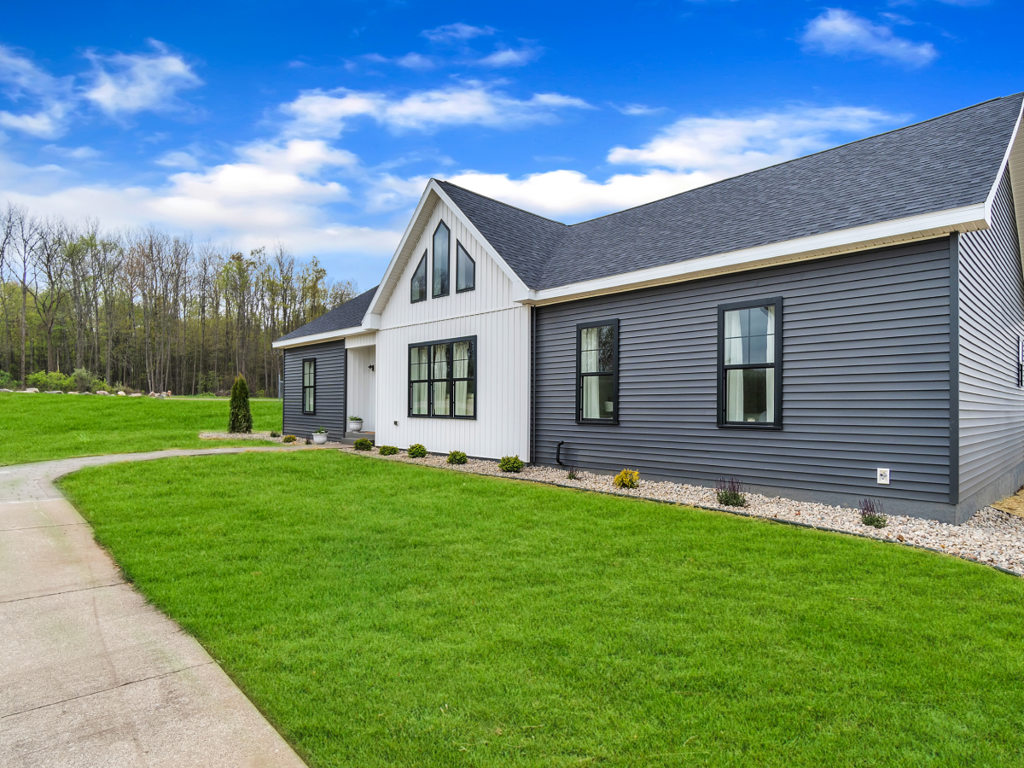
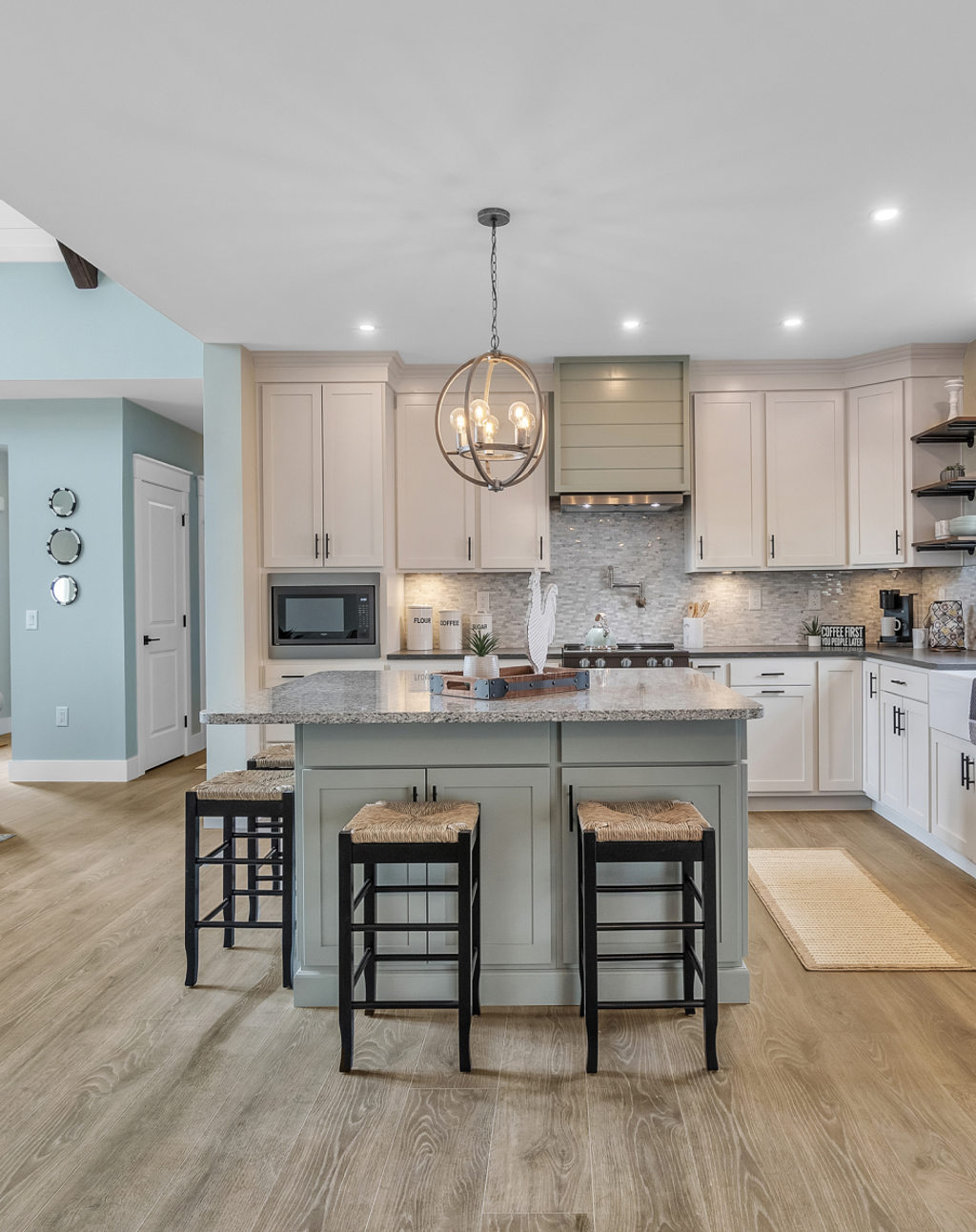
A well-designed, well-built modular home is architecturally indistinguishable from a site-built home of the same style and quality. Roof pitch, siding material, window placement, exterior trim, porch details, and every other design element are determined by the floor plan and the buyer's finish selections. The construction method doesn't change any of that.
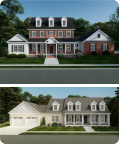
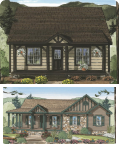
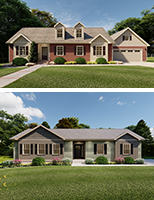
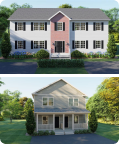
Ritz-Craft offers multiple collections, from the traditional proportions of the Homestead Collection to the contemporary lines of the Modern Living Collection, each with distinct architectural character. The exterior appearance of any Ritz-Craft home is a reflection of the design and finish choices made during the planning process.
Once installation and site finishing are complete, there is no visible indication that a home was built in a factory rather than on a lot. The construction method is in the process. The home you see is just a home.
Still Have Questions?
The best way to get answers specific to your situation is to talk with someone who builds modular homes in your area. A Ritz-Craft builder partner can walk you through the process, discuss your lot, and help you understand what to expect from financing, permitting, and construction. You can also reach out to our team directly.